Shoulder season is the window between a destination's peak crowds and its off-season lull, when the weather is still good, prices drop, and you are not sharing the view with a tour bus. It is the easiest lever for a better trip without changing where you go, only when. Most of those windows fall two to six weeks before or after peak. Peak is usually driven by school calendars, weather extremes, or a marquee event. Once you know the driver, you can predict the shoulder. Here is how that plays out for beaches, national parks, major cities, and ski towns.
Shoulder Season Travel: The Best Weeks to Visit Without the Crowds or the Peak Prices
Quick facts before you book
Rule of thumb: Two to six weeks before or after peak, while weather is still workable.
Peak drivers: School calendars, weather extremes, or a single marquee event.
Booking tip: Shoulder rates move, but they rarely need peak lead time. Still lock parks and ski towns once your window is set.
The rule of thumb
Most shoulder seasons sit two to six weeks before or after a destination's peak. School-break summers and spring break set the calendar for beaches and national parks. Hurricane season and deep winter set it for coasts and ski towns. A single convention, race, or holiday can flood a city for a short window and then empty it just as fast. Name the driver first. The shoulder is the workable weather on either side of that spike, not a different destination.
Beach destinations
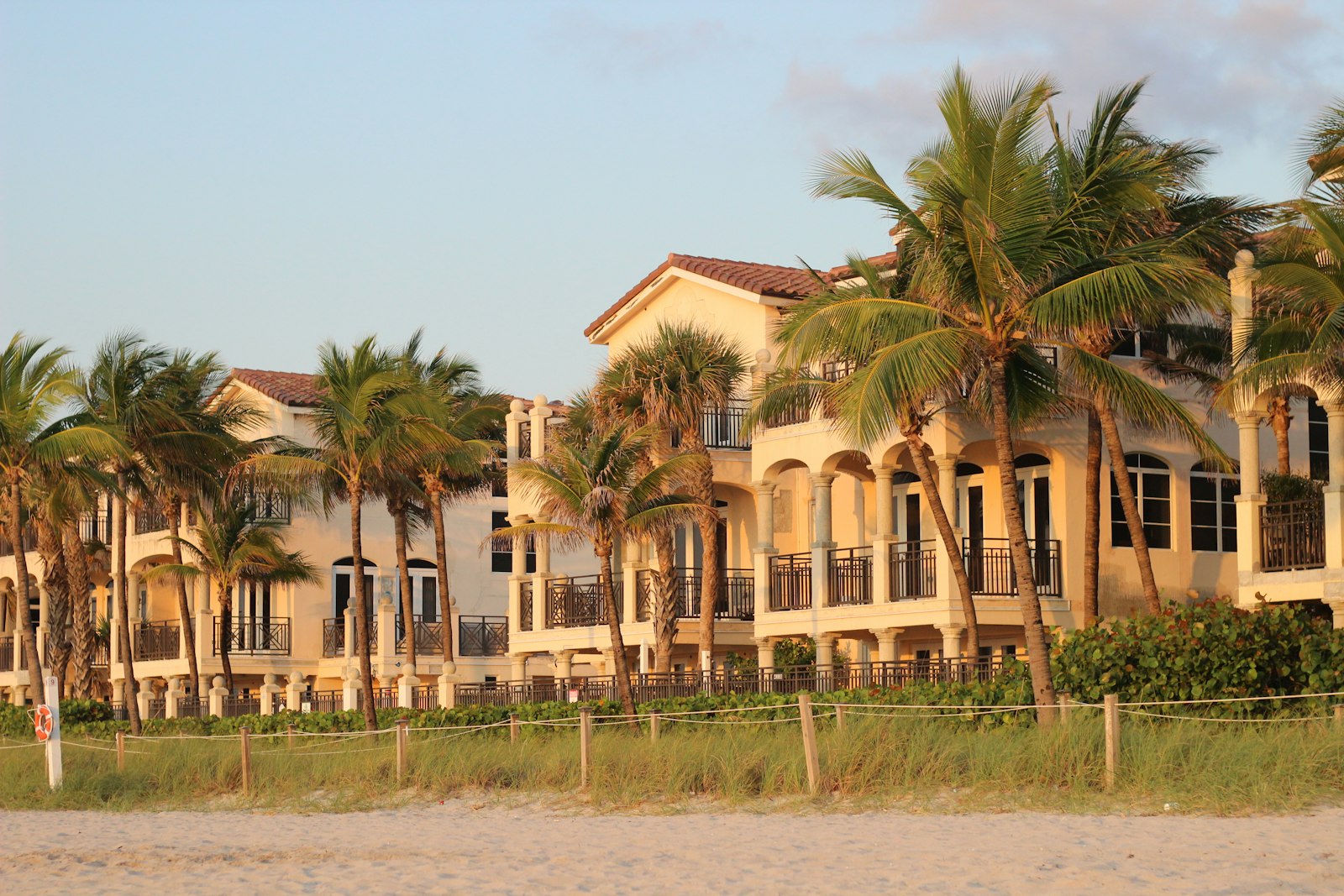
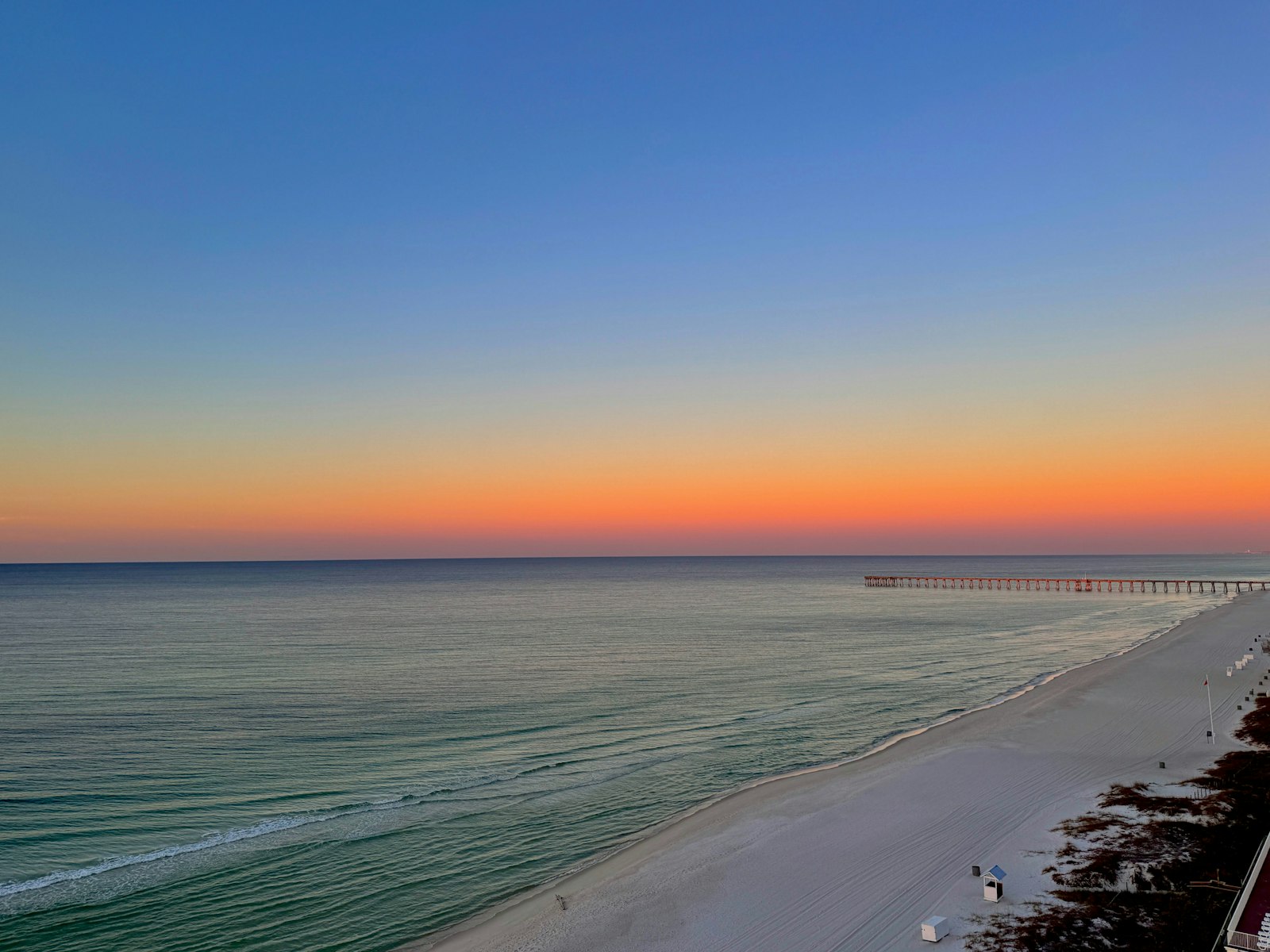
Florida's Gulf Coast peaks during spring break (mid-March through early April) and again over the winter snowbird season (January and February). The sweet spots are late April to early May, and again in October and early November, when the water is still warm, hotel rates drop, and spring breakers have gone home. Fall is still Atlantic hurricane season, which runs June 1 through November 30, so travel insurance and flexible cancellation are worth the extra cost in that window. For a Florida-specific fall beach shortlist, see Best Beaches for a Fall Getaway. The Ritz-Carlton Naples is a Gulf pick already in that fall window.
National parks and mountain towns
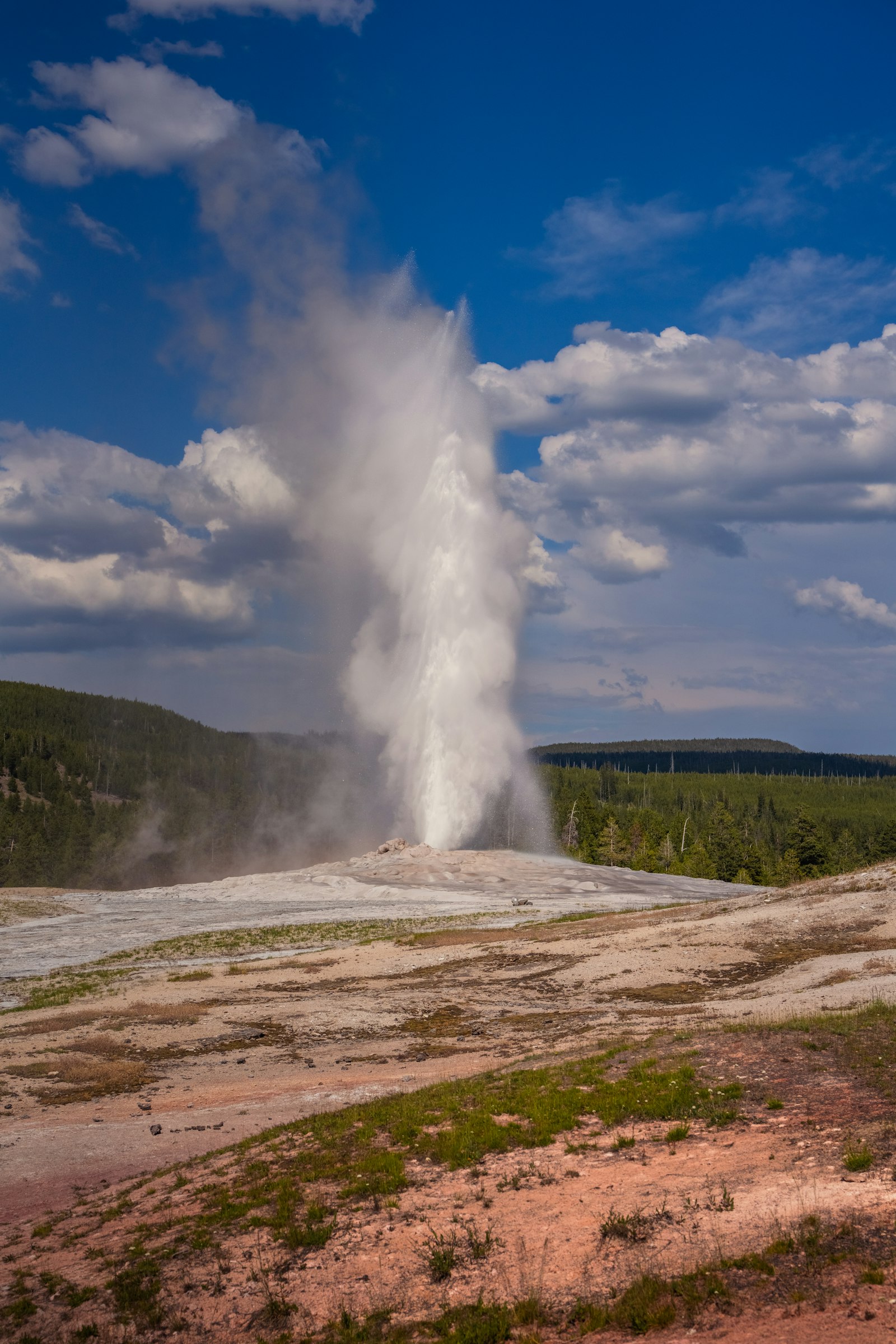
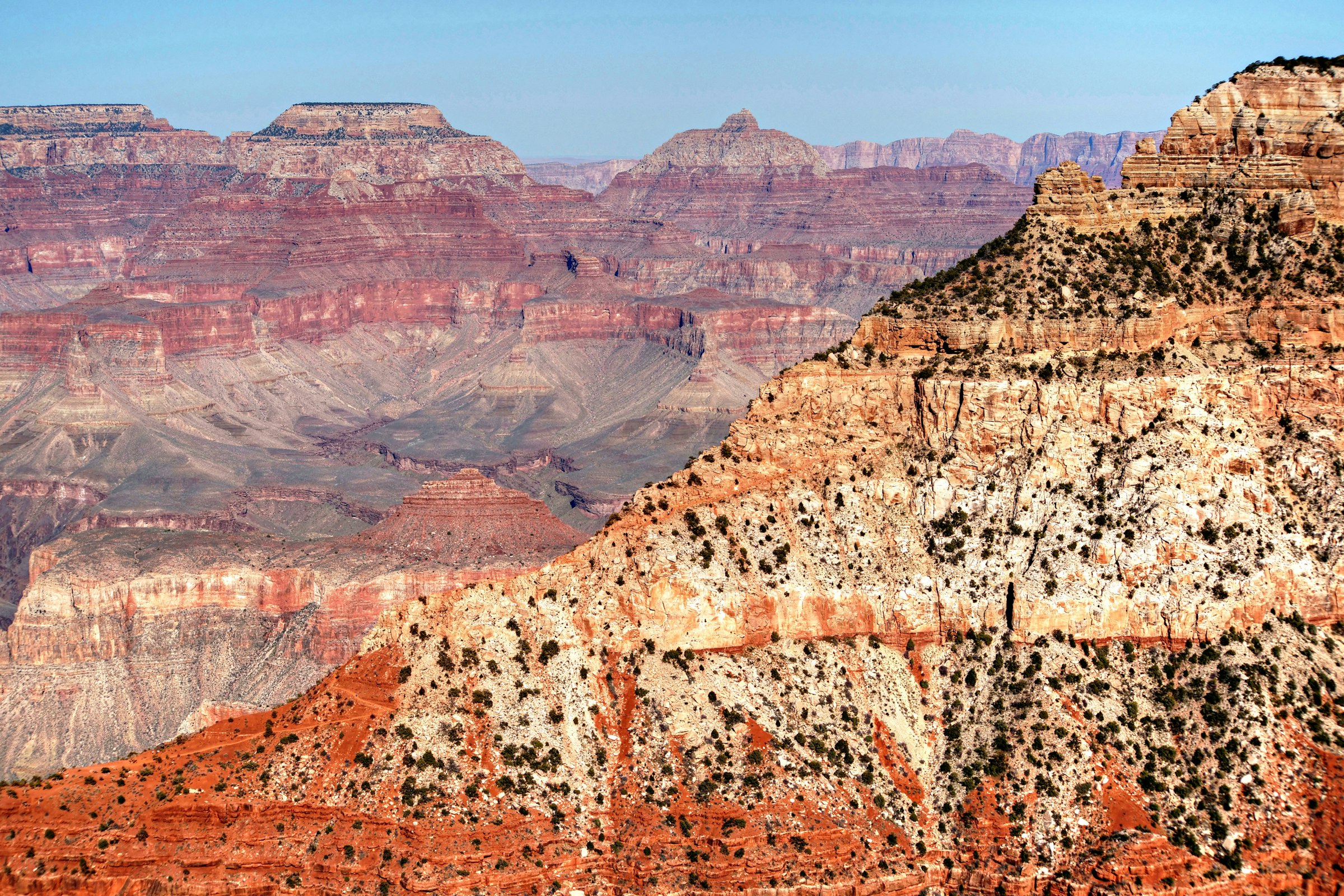
Grand Canyon and Yellowstone both follow a school-break pattern: summer crowds peak from mid-June through early August. The workable shoulders are May and again mid-September through mid-October, when temperatures are milder, viewpoints are less crowded, and lodging near the parks costs less than it does in July. Fall also brings foliage in higher-elevation parks. Two catches. At the Grand Canyon, September and October are better than summer, not empty. November through February is the real quiet stretch. See Grand Canyon in Shoulder Season. At Yellowstone, May can still mean snow and limited interior-road access, so mid-September through mid-October is the more reliable window if you want trails and lodging both open. Red Feather Lodge in Tusayan is a straightforward South Rim base for a Grand Canyon shoulder trip.
Major cities
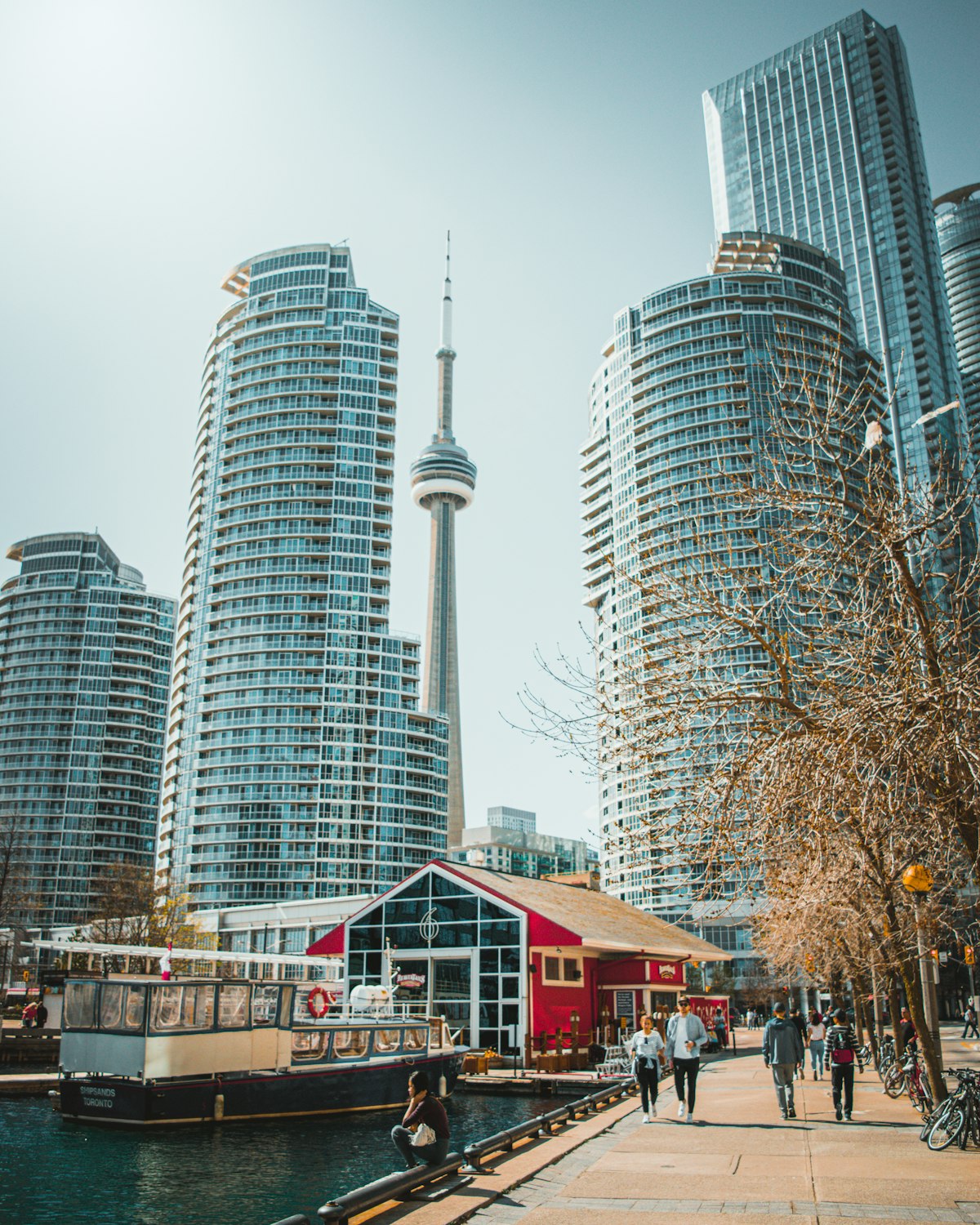
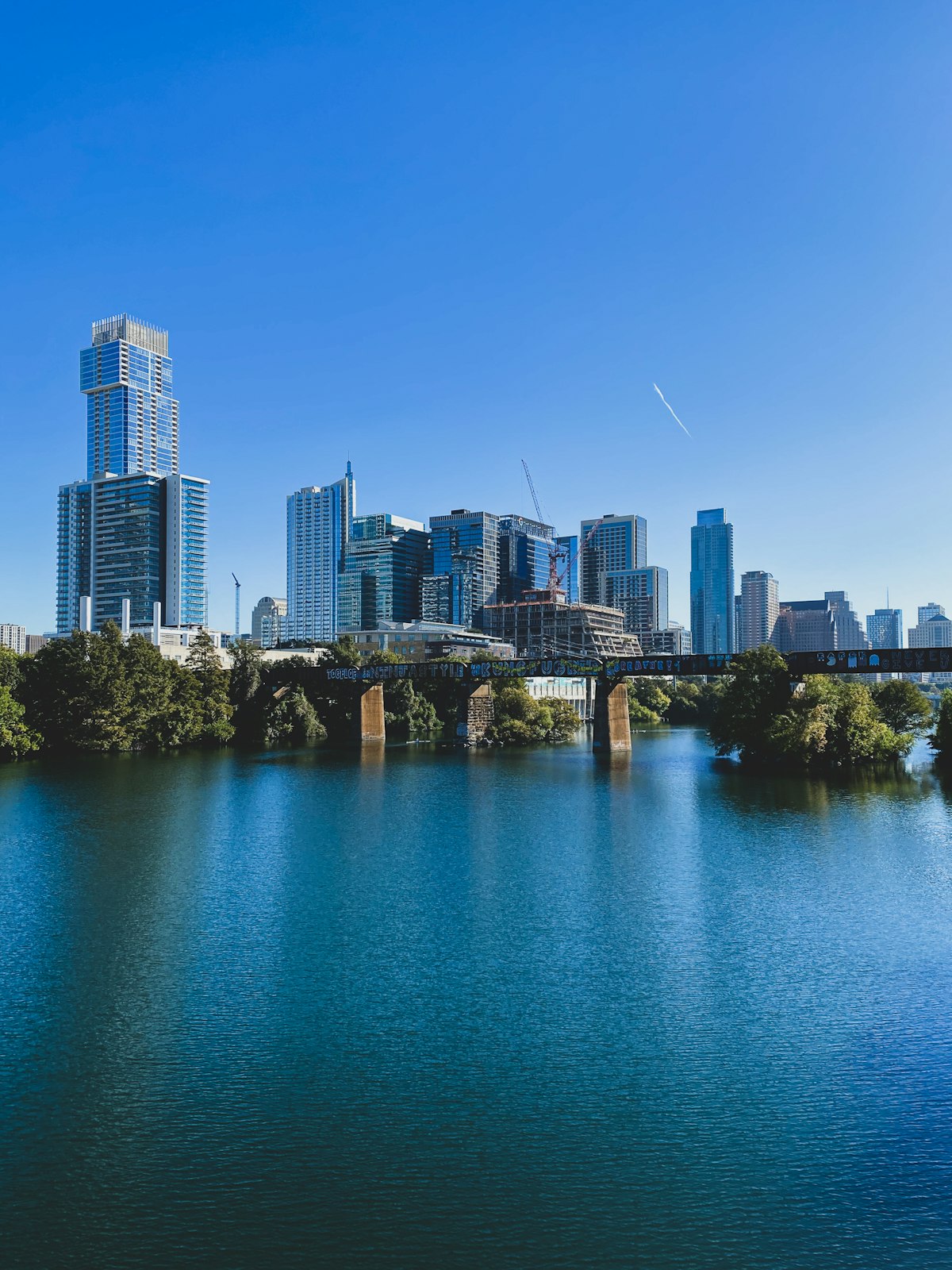
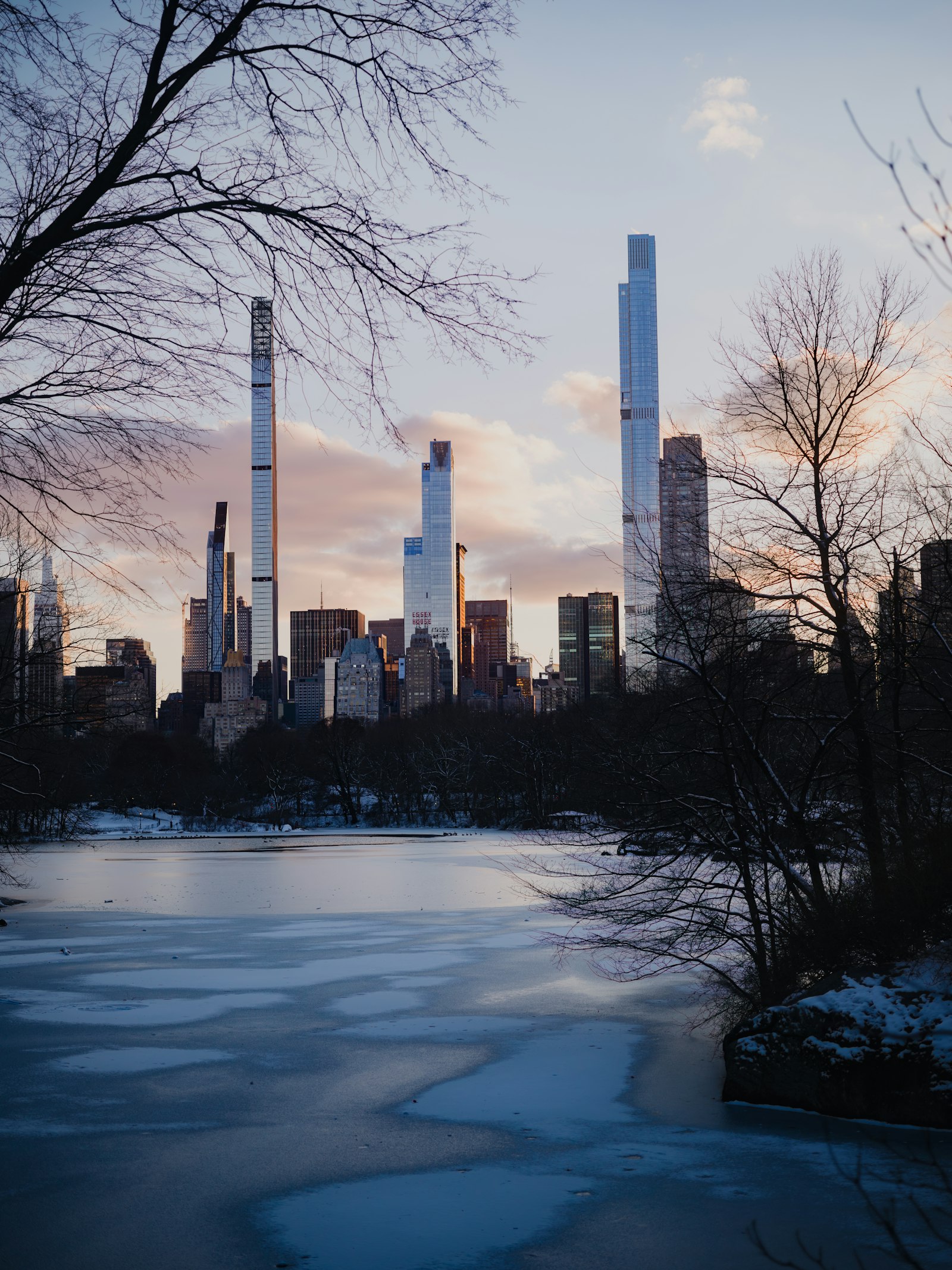
Cities driven by tourism rather than a single event (New York, Chicago, San Francisco) have a quieter, cheaper window in January and February, after the holiday rush and before spring break. The tradeoff is weather: cold, short days, and the occasional storm. That is still a good exchange if museums, restaurants, and hotel rates are the point of the trip. Royalton New York is a Midtown base for that winter window. Las Vegas does not follow the same calendar. Its shoulder is the weeks without a major convention, residency wrap, or holiday, and early January is often a convention peak, not a bargain month. Check a citywide events calendar before you book. Neighborhood tradeoffs are in the first-time Las Vegas stay guide.
Ski towns
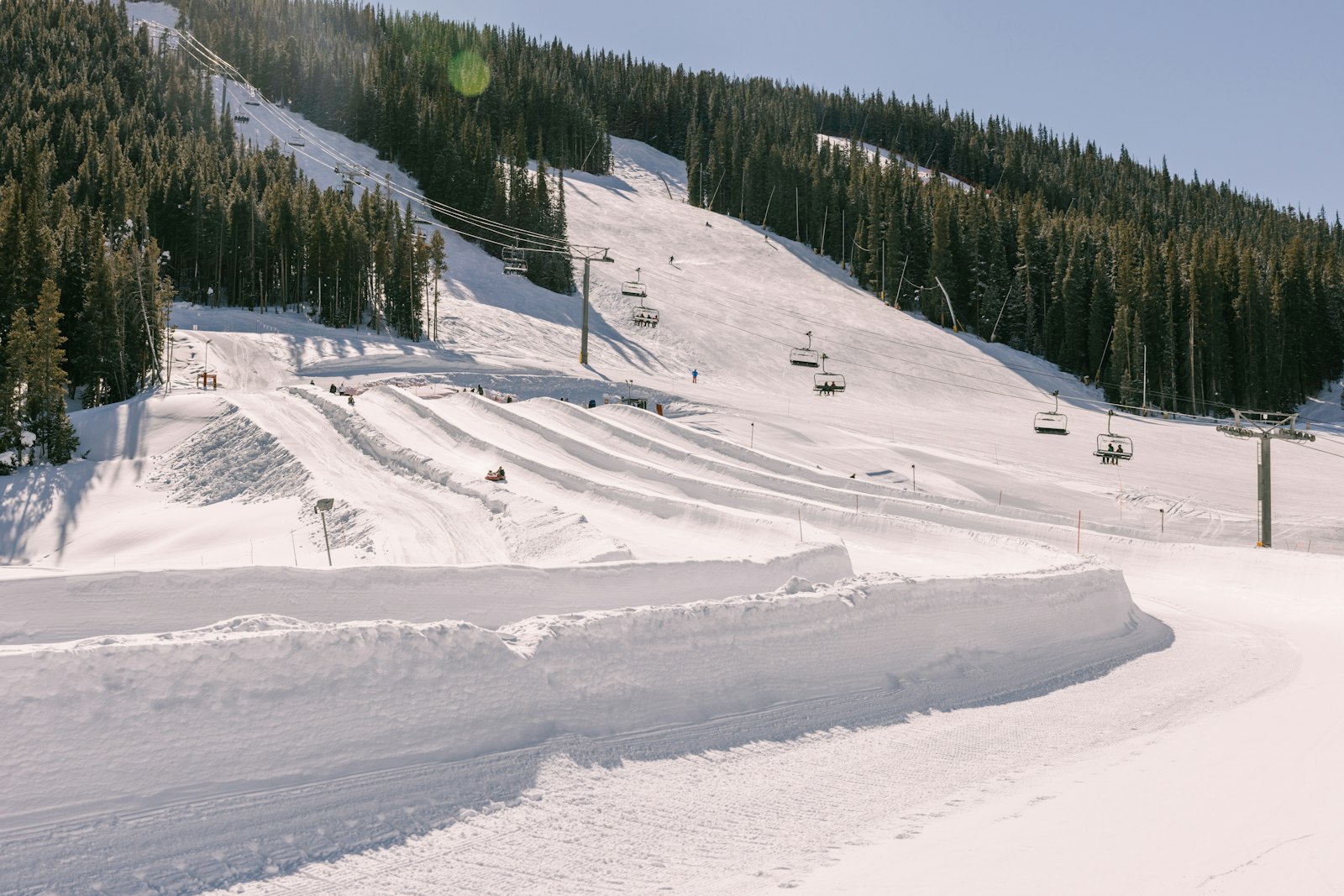
The ski shoulder is short and specific: the first two to three weeks after a resort opens (typically late November into early December) and the final two to three weeks of the season in April, after spring-break crowds thin out but before lifts close. Both windows have real tradeoffs, thinner coverage early and slushier conditions late, so they suit travelers who want the town and the value as much as guaranteed powder. Gravity Haus Big Sky is a town-and-trail base if you are aiming at a mountain shoulder rather than peak ski weeks. Do not treat the weeks before opening day as a ski trip. Lifts are not running yet.
How to spot shoulder season anywhere
If you are heading somewhere not covered above, three questions get you most of the way there. What drives this place's busiest weeks: a school calendar, weather, or an event? When does that driver let up? And is there a two-to-six-week window right before or after that release where weather is still workable? That is your shoulder season.
Bottom line
Shoulder season is not about avoiding a destination's best qualities. It is about visiting when fewer other people are trying to see them at the same time you are. Pair the timing here with your destination's booking lead times, and you will consistently land better rates and shorter lines for the same trip.